Vaping on a plane: the UK rules
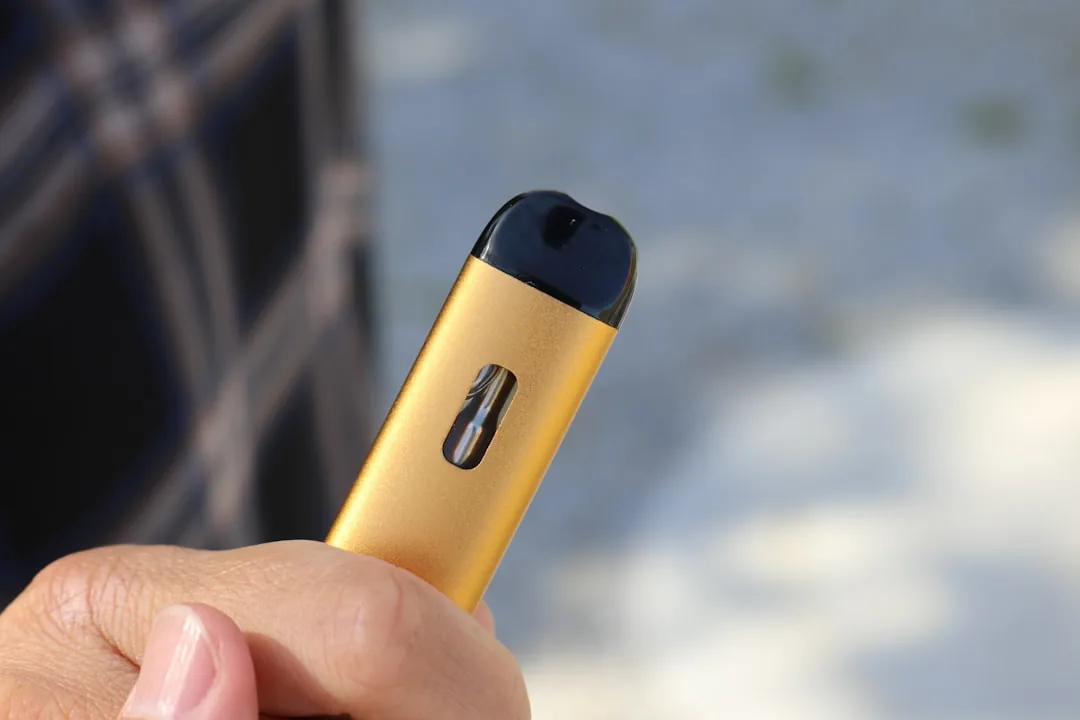
Packing a vape kit raises the same doubts every time. The device, the spare cells and the bottles do not follow the same rules, and getting it wrong can mean handing something over at security. Yet the guidance behind vaping on a plane comes down to a few stable principles that barely change from one airline to the next. Knowing them before you leave the house saves a frantic repack at the tray table.
Vaping on a plane: what you can take and what you cannot
Carrying a vape out of a British airport is not a problem in itself. No airline flying from the United Kingdom bans the device, and security officers see dozens of them an hour. What is regulated is where each part travels and how much liquid comes with it.
Two rules sit above all the others. Anything containing a lithium cell stays with you in the cabin, and every bottle of e-liquid follows the ordinary liquids rule for hand luggage. Everything else is detail.
The third rule is about behaviour rather than baggage. Using the device in flight is prohibited outright, and it is treated as seriously as lighting a cigarette would be.
Hand luggage or hold: where the kit and the cells go
The battery rule is the one that gets people caught out. A vape travels in the cabin, never in checked baggage, because lithium cells can overheat and the hold is not accessible during the flight for anyone to intervene.
This applies to the whole kit and to spare cells alike. Devices with an integrated battery pass without comment at ordinary sizes, and the airline only needs to be consulted about unusually high capacity packs.
Loose 18650 or 21700 cells need a rigid case with the terminals covered, which prevents a short circuit against keys or coins in a bag. Most cabin crew will also ask that the device is switched off and stowed rather than left loose in a seat pocket.
One extra habit is worth adopting. Keep the kit somewhere you can reach it rather than in an overhead locker, because if a device does get warm it needs to be dealt with quickly rather than found later.
How much e-liquid gets through security
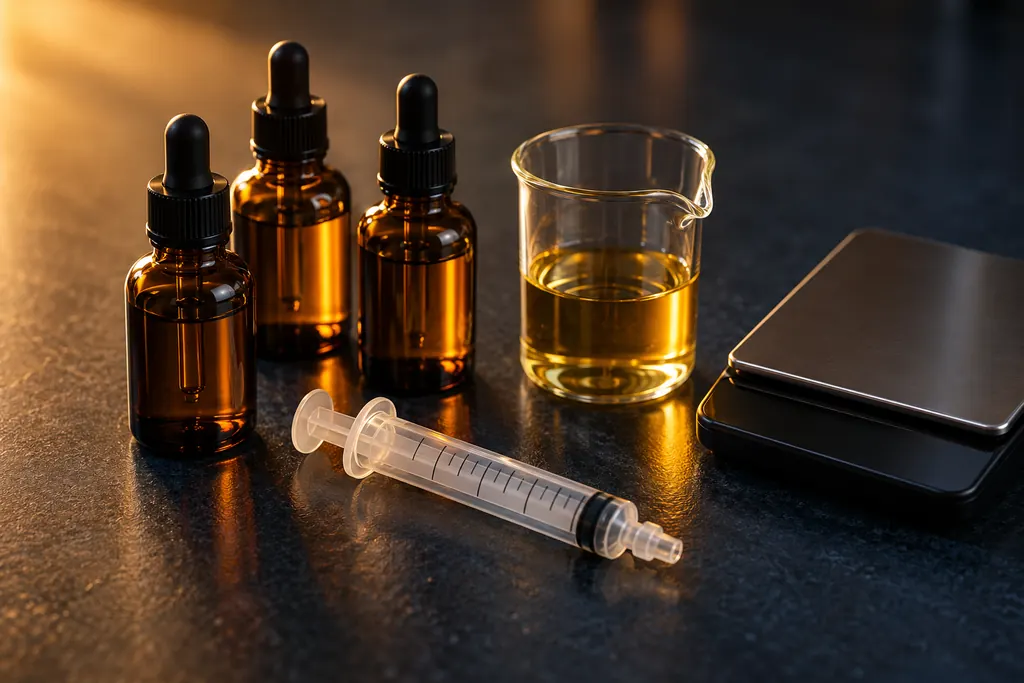
Bottles follow the standard hand luggage liquids rule. Each container must hold no more than 100 ml, and the whole lot has to fit inside a single transparent resealable bag of around one litre, presented separately at the scanner.
British formats work in your favour here. Nicotine containing e-liquid is sold in bottles of no more than 10 ml at up to 20 mg/ml, so a week of supply takes very little room in the bag. Shortfills are the awkward ones, since a 100 ml shortfill lives in a 120 ml bottle and the bottle size, not the liquid inside, is what security judges.
Large shortfills can travel in the hold instead, provided no battery goes with them. If you mix your own, working out the exact volume you need before packing keeps the number of bottles down, and our e-liquid mixing chart gives the ratios straight off the page.
Cabin pressure is the other consideration. A full tank tends to weep as the aircraft climbs, so empty the clearomiser before boarding or leave an air gap, and slip the kit into a sealed pouch so nothing else in the bag suffers.
Vaping on a plane, in the terminal and at the other end
Using a device on board is banned across every airline, without exception and regardless of cabin class. Toilet smoke detectors react to vapour just as they do to smoke, and tampering with one is an offence in its own right.
British airports have almost entirely removed indoor smoking rooms, so in most terminals there is nowhere airside where vaping is permitted at all. Some airports keep an outdoor area before security, which means leaving the departures hall and clearing the queue again afterwards.
At the destination, local law takes over the moment you land. Several countries treat devices far more strictly than the United Kingdom does, and a few prohibit importing them entirely.
What the main airlines say
The larger carriers flying out of Britain all apply the same framework to vaping on a plane, because it comes from aviation safety rules rather than from company policy.
| Airline | Device and cells | E-liquid | Use on board |
|---|---|---|---|
| British Airways | Cabin only | Bottles 100 ml or less, one litre bag | Prohibited |
| easyJet | Cabin only | Bottles 100 ml or less, one litre bag | Prohibited |
| Ryanair | Cabin only | Bottles 100 ml or less, one litre bag | Prohibited |
| Jet2 | Cabin only | Bottles 100 ml or less, one litre bag | Prohibited |
Where the wording does differ is around high capacity cells and the number of spares allowed. If you carry several loose batteries, the airline’s own dangerous goods page is the reference to check before you travel rather than a forum post.
Packing the rest of the kit sensibly
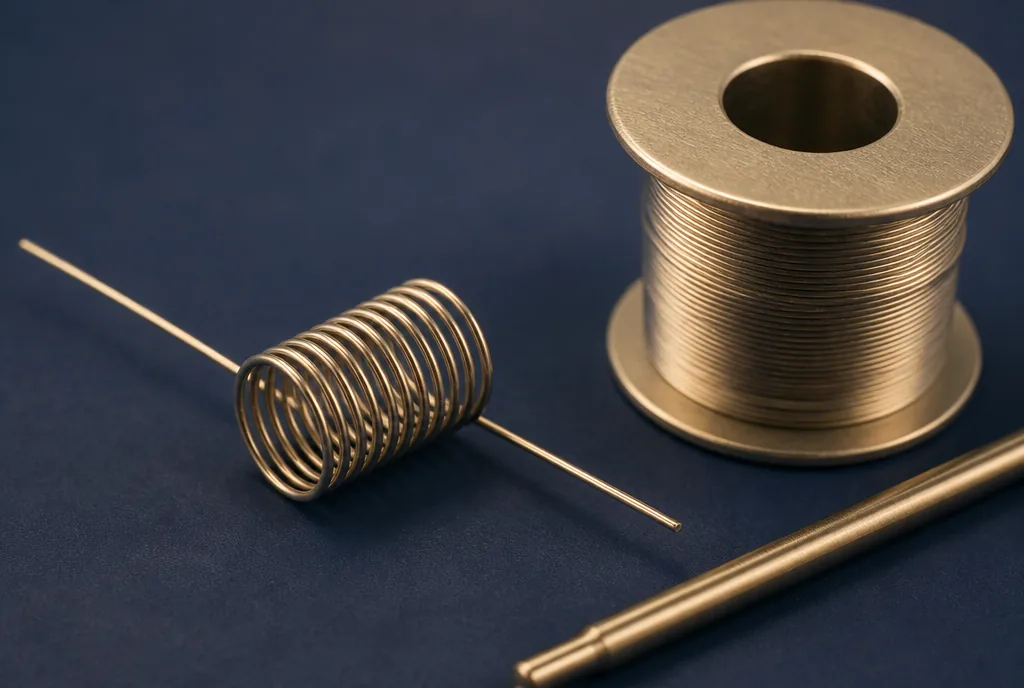
Beyond the batteries and the bottles, a little preparation avoids the smaller annoyances that come with vaping on a plane. Spare coils are light, they do not count as liquids, and running out mid trip is far more irritating than carrying two extras, which is why our guide to the vape coil is worth a look before a long trip.
Take sealed, labelled bottles rather than decanted ones. A clear label showing the volume and the strength makes the security conversation shorter, and in some destinations it makes the customs conversation shorter too.
Finally, think about what you will actually want to use once you land. A single, legible profile travels better than three half finished bottles, and our guide on how to choose an e-liquid flavour explains why a rotation of two families works better than a suitcase full.
Frequently asked questions
Can I take a vape on a plane from the UK?
Yes. The device goes in your hand luggage, never in the hold, and each bottle of e-liquid must be 100 ml or less inside the standard one litre transparent bag.
Does the vape go in hand luggage or checked baggage?
Hand luggage only. Anything containing a lithium cell, including spare batteries, is prohibited in checked baggage for fire safety reasons.
How much e-liquid can I carry?
As much as fits in the one litre bag, with no single container above 100 ml. Larger shortfill bottles can travel in the hold, as long as no battery goes with them.
Can I vape in the airport or on the aircraft?
Never on the aircraft. In the terminal it depends entirely on the airport, and most British airports now have no airside area where it is permitted.
How should I pack spare batteries?
In a rigid case with the terminals covered, carried in the cabin. Very high capacity cells may need to be declared at the desk, so check the airline’s own guidance.
The short checklist before you leave
Three things settle almost every question. The kit and every cell travel in the cabin, the bottles respect the 100 ml container limit inside the transparent bag, and the device stays switched off and unused from the terminal to the gate at the other end.
Add two habits and the trip becomes uneventful. Empty or vent the tank before boarding so pressure does not push liquid out, and check the rules of the country you are landing in rather than assuming they match British ones. Handled that way, vaping on a plane is a matter of packing rather than paperwork, and the only real risk left is forgetting the spare coils.
Editorial content for adult readers only. Vaping products usually contain nicotine, a substance that causes addiction. Not for sale to under-18s in the United Kingdom. This article is not a buying recommendation.