How to make your own e-liquid
Mixing at home sounds more intimidating than it is. People picture a laboratory, scales and obscure formulas, when the whole thing runs on three ingredients and a little method. The real difficulty in learning to make your own e-liquid is not technical, it is the order of operations and the arithmetic behind the quantities. Once that thread is clear, every bottle becomes repeatable and tuned to what you actually like.
What you need to make your own e-liquid at home
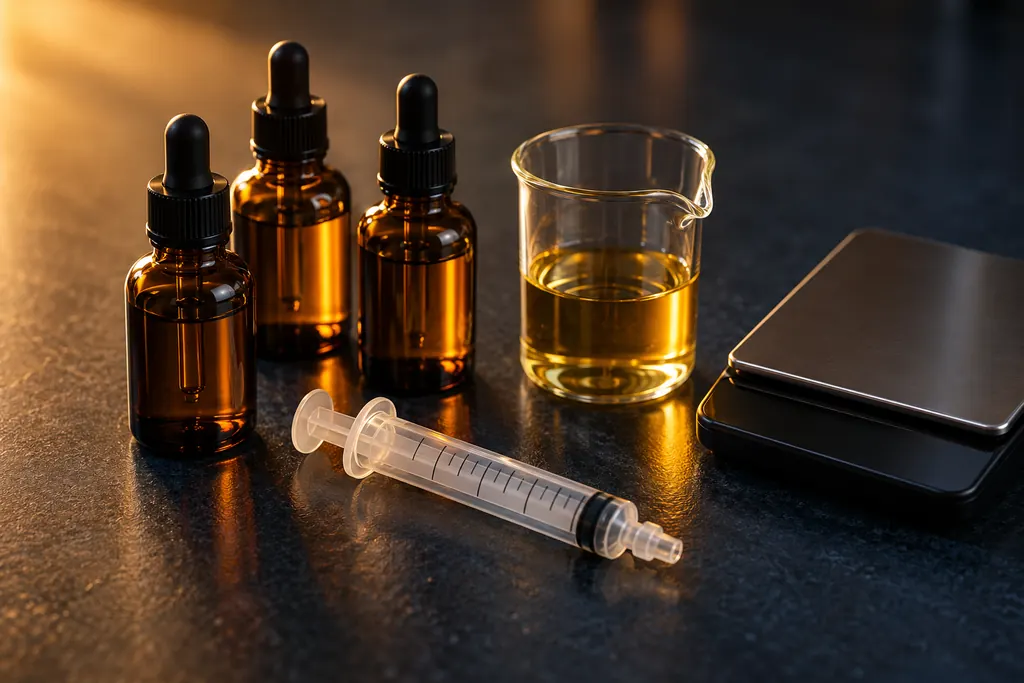
No expensive equipment is required to start. A minimal bench covers everything, and most of it is sold as a single starter bundle by British DIY suppliers.
- An empty graduated bottle, in 30, 50 or 100 ml.
- Two graduated syringes, a wide one for the base and a fine one for the concentrate.
- A neutral base in 50/50 or 30/70 PG/VG.
- Nicotine shots, if you are adding nicotine at all.
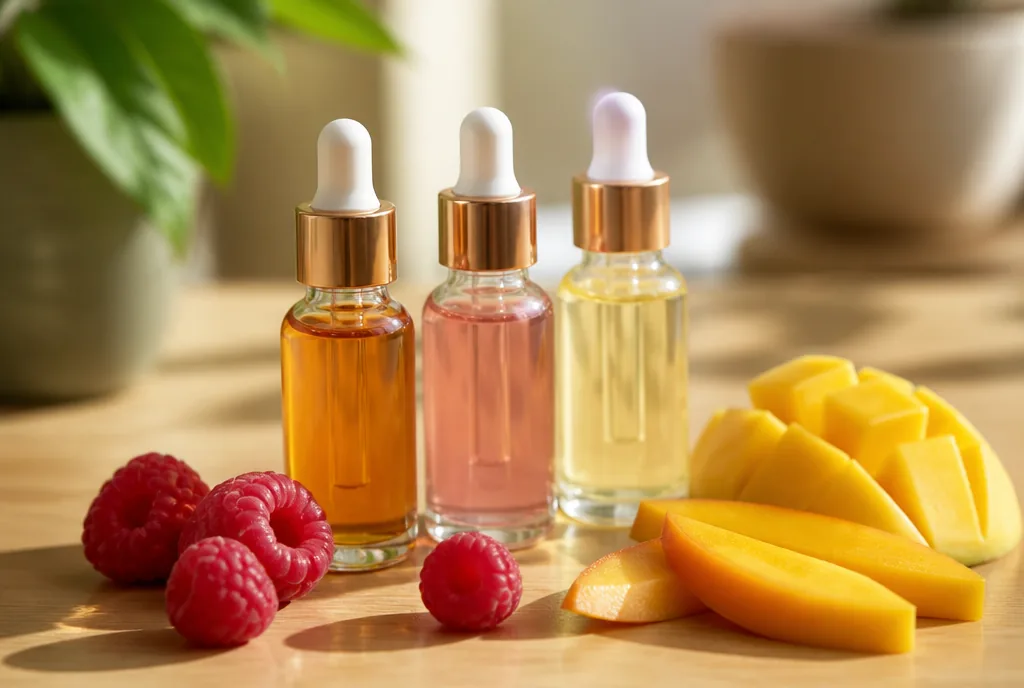
- One or more flavour concentrates intended for vaping.
- Labels, to record the date, the strength and the flavour percentage.
A set of nitrile gloves belongs on that list too, and so does a pair of small scales if you intend to mix by weight later on. Neither is a luxury once you are handling nicotine rather than plain base.
The British system: shortfills and nicotine shots
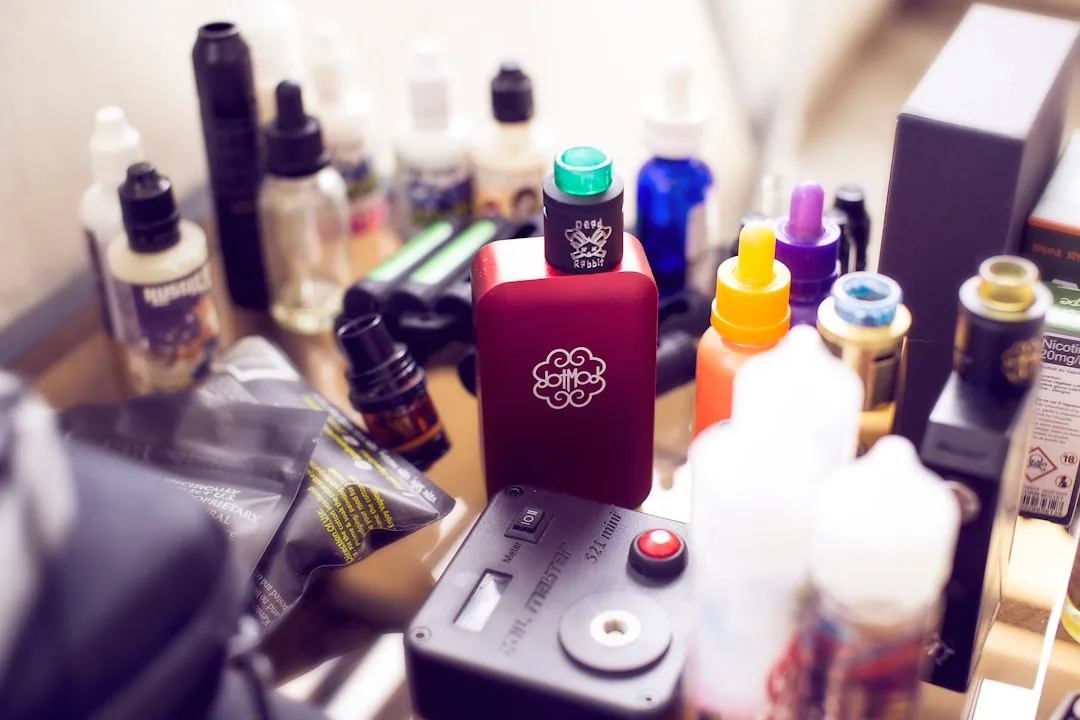
This is where the United Kingdom works differently from several neighbouring markets, and the difference shapes everything else. Nicotine containing e-liquid can only be sold here in bottles of 10 ml or less, at a maximum of 20 mg/ml, so anything larger arrives nicotine free.
Those larger bottles are shortfills, and they are deliberately underfilled. A 50 ml shortfill comes in a 60 ml bottle, and a 100 ml shortfill comes in a 120 ml bottle, leaving exactly the headroom for one or two 10 ml nicotine shots.
A nicotine shot is simply 10 ml of base carrying nicotine, usually at 18 or 20 mg/ml, with no flavour of its own. Pouring one into a shortfill is the lightest form of home mixing, and it is where most British mixers begin before moving on to concentrates and plain base.
Full DIY takes the same logic further. Instead of buying a flavoured shortfill you buy neutral base, add the concentrate yourself at the percentage the maker recommends, and top up with a shot if you want nicotine in it.
Make your own e-liquid in five steps
- Work out the quantities: the shot volume from the arithmetic below, the concentrate from the recommended percentage, and let the base fill the rest.
- Pour the nicotine shot into the graduated bottle first, wearing gloves.
- Add the concentrate according to the percentage printed on its label.
- Top up with the neutral base to the volume mark.
- Cap it and shake for about thirty seconds so everything is properly combined.
Doing it in that order matters more than it looks. The heaviest and most viscous component going in last means less residue clinging to the syringe, and pouring the shot first makes it obvious at a glance whether it went in at all.
Working out the nicotine yourself, rather than copying a number
No responsible guide should hand you a strength and call it the right one. What is worth learning instead is the calculation, because it lets you reproduce any target you settle on with your supplier or from your own experience.
The arithmetic is one line. Multiply the final volume by the strength you are aiming for, then divide by the strength of your shot. A 60 ml final volume aimed at 3 mg/ml with an 18 mg/ml shot needs 60 times 3 divided by 18, which is 10 ml, exactly one shot.
The same line explains the standard shortfill arrangement. A 50 ml shortfill in a 60 ml bottle plus one 18 mg/ml shot lands at 3 mg/ml, and a 100 ml shortfill in a 120 ml bottle plus two shots lands in the same place. Swap an 18 mg/ml shot for a 20 mg/ml one and the result is slightly higher, which is why the shot strength is worth reading before pouring.
Two limits bound the whole exercise. The legal ceiling for nicotine strength in the United Kingdom is 20 mg/ml, and nicotine products are not for sale to anyone under 18. Beyond that, the strength that suits one adult tells you nothing about another, and our e-liquid mixing chart sets out the numbers for the usual bottle sizes.
Steeping, and how long each family needs
A freshly mixed bottle rarely tastes the way it is going to. Steeping lets the compounds bind, and the time it takes depends almost entirely on the flavour family rather than on the brand.
- Fruit: 3 to 5 days.
- Menthol and ice: 2 to 4 days.
- Dessert: 1 to 3 weeks.
- Tobacco: 1 to 3 weeks.
A daily shake helps distribute the concentrate through the base. Beyond that, patience does the work, and judging a dessert profile on day one is the most common reason a mix gets thrown away too early. The families themselves are described in our guide on how to choose an e-liquid flavour.
Safety habits that are not optional
Nicotine base is a concentrated substance and deserves to be handled like one. Wear nitrile gloves whenever you pour a shot, and wipe up spills immediately rather than at the end of the session.
Storage is the other half of it. Keep bases, shots and finished bottles well out of reach of children and of pets, in a cupboard rather than on a worktop, and away from light and heat, both of which degrade nicotine and dull a flavour over time.
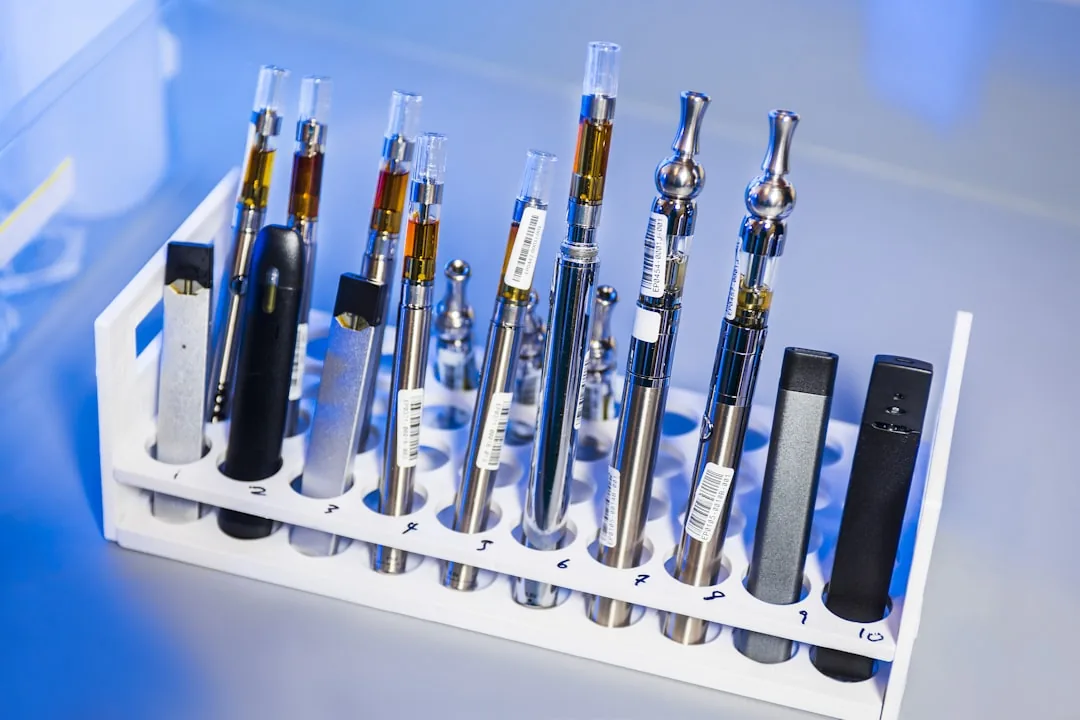
Label everything as you go. Date, final volume, target strength and concentrate percentage on every bottle takes ten seconds and removes any chance of picking up the wrong one later. Match the finished base to your hardware as well, since a mix that suits a tight draw behaves very differently on a sub ohm setup, as our guide to the vape coil explains.
Frequently asked questions
What is the difference between a shortfill and full DIY?
A shortfill is already flavoured and only needs a nicotine shot. Full DIY means buying neutral base and concentrate separately, which gives you control over the flavour percentage and the PG/VG ratio.
How do I calculate how many nicotine shots to add?
Multiply the final volume by the strength you are targeting, then divide by the strength of the shot. The result is the volume of shot in millilitres.
What equipment is needed to mix at home?
A graduated bottle, two syringes, neutral base, concentrate, gloves, and nicotine shots if you are adding nicotine. Labels complete the bench so every attempt can be traced.
How long should a home mix steep?
Three to five days for a fruit, two to four for a menthol, one to three weeks for a dessert or a tobacco. Patience changes the result noticeably.
Which base ratio should I choose?
A 50/50 base suits pods and tight draw tanks, while 30/70 is aimed at hardware built for vapour. The ratio follows the device rather than the flavour.
Where to go once the first bottle works
The first mix teaches more than any guide can. You will discover that the concentrate percentage on the label is a starting point rather than a rule, that steeping is not optional on rich profiles, and that writing everything down is what separates a repeatable recipe from a happy accident.
From there the variables open up one at a time. Adjust the flavour percentage before anything else, then the base ratio, and only then start thinking about mixing by weight for real precision. Handled patiently, learning to make your own e-liquid turns a shelf of guesswork into a small, documented set of bottles that behave exactly the way you expect them to.
Editorial content for adult readers only. Vaping products usually contain nicotine, a substance that causes addiction. Not for sale to under-18s in the United Kingdom. This article is not a buying recommendation.